


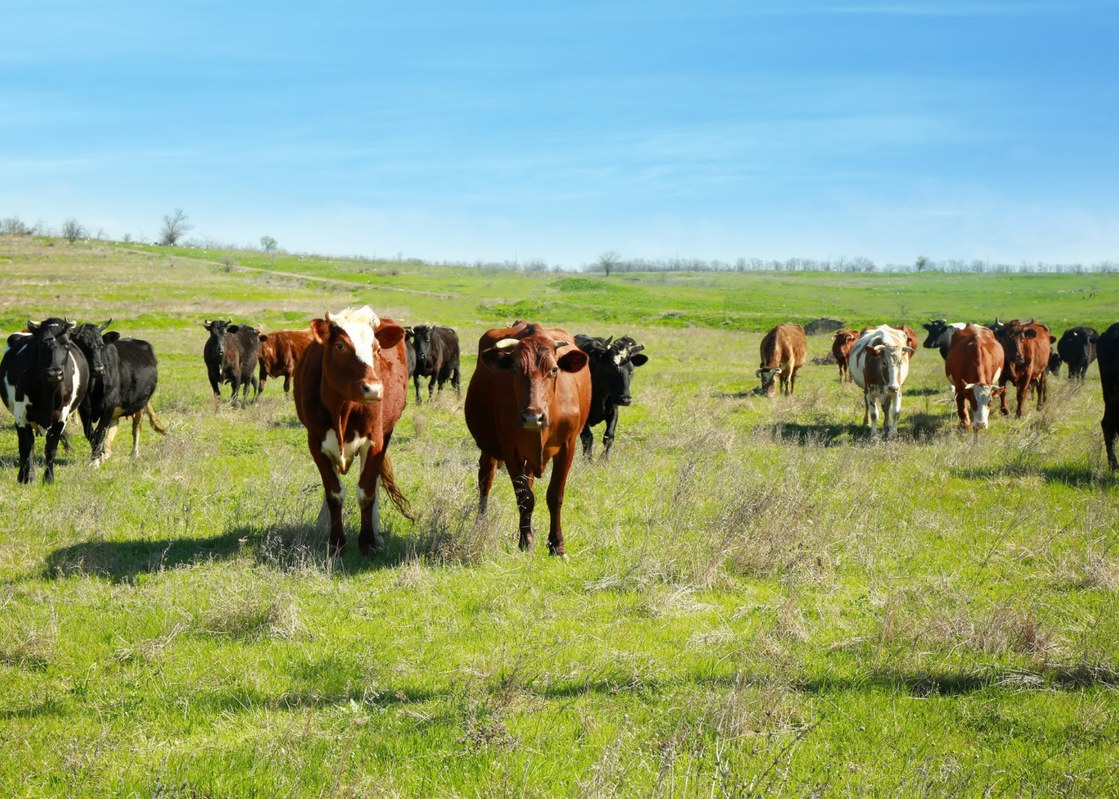
What Your Herd’s Body Language Is Trying to Tell You
Understanding herd behavior is one of the most important skills for livestock owners. Animals communicate constantly through body language, and learning to interpret their signals can help improve your herd's health. Below is a guide to understanding your herd's body language so you can reduce stress and strengthen your connection with the animals in your care.
Recognizing Signs of Comfort and Relaxation
A relaxed herd is easy to spot once you know what to look for. Cattle or horses standing with soft eyes, lowered heads, and steady breathing are showing signs of comfort. When animals lie down together or graze calmly, it indicates they feel safe in their current environment. These behaviors are essential markers of good welfare and proper management.
Identifying Stress and Herd Aggression
Stress in herd animals can appear in many forms, and early recognition is key to maintaining a safe, balanced environment. Restless pacing, tail swishing, pinned ears, or wide eyes often signal discomfort. Animals may bunch together tightly, avoid certain areas of the pasture, or show hesitation when approaching feed or water. These behaviors can point to issues such as overcrowding, poor nutrition, or environmental disturbances that need prompt attention.
Aggression and dominance behaviors often emerge when stress levels rise, or herd hierarchy becomes unstable. While dominance is a natural part of herd dynamics, it can escalate into problematic behavior if left unchecked. Head tossing, pawing the ground, pushing others away from resources, or charging are clear signs that tension is building. Monitoring these interactions closely helps prevent injuries and ensures all animals have fair access to essential resources. By understanding both subtle stress signals and overt dominance behaviors, you can intervene early and maintain a healthier, more harmonious herd.
Recognizing Something Wrong With Changes in Body Language
Behavioral changes often provide the earliest clues that something in the herd’s environment or social structure is off. When an animal becomes less social or more hesitant during normal activities, it may be expressing discomfort or uncertainty. These shifts can be subtle, but they stand out once you’re familiar with your herd’s typical patterns and daily rhythm. Veterinary treatments, including medications such as Ampicillin for Injectable Suspension, may be necessary to restore health, but early detection through observation is key.
Reading Social Bonds and Herd Cohesion
Strong social bonds are vital for herd stability; animals that groom each other and rest side by side, or follow one another closely, are demonstrating trust and companionship. Disruptions in these patterns, such as sudden isolation or avoidance, may indicate stress or conflict. Maintaining consistent routines and minimizing sudden changes helps preserve herd harmony.
Observing Feeding Behavior for Health Insights
Feeding time reveals a great deal about herd relationships and comfort levels. The way animals approach the feeding area, such as who steps forward first versus who hangs back, offers clear clues about hierarchy and social stability. When animals feed side by side without crowding, pushing, or guarding space, it shows they feel secure and balanced within the group. In contrast, crowding or tense postures can signal competition or discomfort, especially if subordinate animals are being displaced by more dominant herd members.
Monitoring Movement Patterns for Early Clues
Movement reveals a great deal about herd mood and cohesion. When animals travel with steady and relaxed strides while maintaining a comfortable distance from one another, it reflects confidence and harmony within the group. A herd that moves together fluidly, pausing, grazing, and shifting direction as a unit shows strong social alignment and a sense of security. Animals that rush or move with heightened alertness may be responding to stress or an external disturbance. Likewise, hesitation or scattered movement, or a breakdown in group coordination, can signal uncertainty or tension.
Improving Communication Between Humans and Herds
Your herd is constantly “talking” through their body language. By slowing down and observing their behavior, you can respond appropriately and build trust with your animals. Calm handling and consistent routines, as well as respect for natural behaviors, foster a healthier environment. Over time, your animals will respond more positively to your presence and guidance.
Final Thoughts
By paying close attention to your herd’s body language, you gain valuable insights into their health, comfort, and social dynamics. Early recognition of stress or illness can make a significant difference in outcomes.
If you're looking to improve your herd health, reach out to US VET™ for trusted products and expert guidance.
Frequently Asked Questions
How can I tell if my herd feels safe?
A herd that grazes calmly, lies down together, or chews cud is showing signs of comfort and security. These behaviors suggest the environment is meeting their needs.
How can I tell which animals are dominant in a herd?
Dominant animals often position themselves at the front during movement. They approach feed first and use subtle body cues like confident strides, squared posture, or gentle displacement to assert priority. They rarely hesitate and may influence how the rest of the herd organizes itself around resources and space.
Why do livestock stay close to certain animals?
Livestock often gravitate toward animals they trust or feel secure around. These close bonds form through consistent interactions, shared routines, and calm behavior.
Why do dominant animals push others away?
Dominance is part of herd hierarchy, but excessive aggression can limit access to food and water. Monitoring and managing these behaviors ensures fairness. By stepping in early, you can reduce conflict and maintain a healthier balance across the herd.
Can body language help prevent injuries?
Yes. Recognizing signs of aggression or stress early allows you to intervene before conflicts escalate, reducing the risk of injury to both animals and handlers.
How does human handling influence herd behavior?
Your approach matters. Calm, consistent handling builds trust and reduces stress. Avoid sudden movements, loud noises, or inconsistent routines, which can make animals anxious.
How do social bonds affect herd health?
Strong social bonds create stability and reduce stress. Animals that groom each other, rest side by side, or move together are showing trust and companionship.
Can weather changes affect herd body language?
Extreme heat, cold, or storms can cause animals to behave differently. They may huddle together for warmth, seek shade, or become restless during high winds. Observing these shifts helps you provide shelter, water, and comfort to keep the herd safe during changing conditions.
Do animals use vocalizations along with body language?
Yes. Vocalizations often accompany body language and add context to what the herd is expressing. Low, steady sounds may indicate contentment, while loud or frequent calls can signal distress, hunger, or separation anxiety.
What can changes in herd behavior tell me about the environment?
Sudden shifts in movement, spacing, or alertness often reflect changes in the environment. Animals may bunch together, avoid certain areas, or move with heightened caution if something feels unfamiliar or threatening, like noise, predators, weather shifts, or resource problems.
Do livestock communicate through more than body language?
Yes. Livestock use a combination of body language, vocalizations, scent cues, and spatial positioning to communicate. Sounds like low calls, snorts, or whinnies add context to their movements and help signal comfort, concern, or social connection within the herd.