


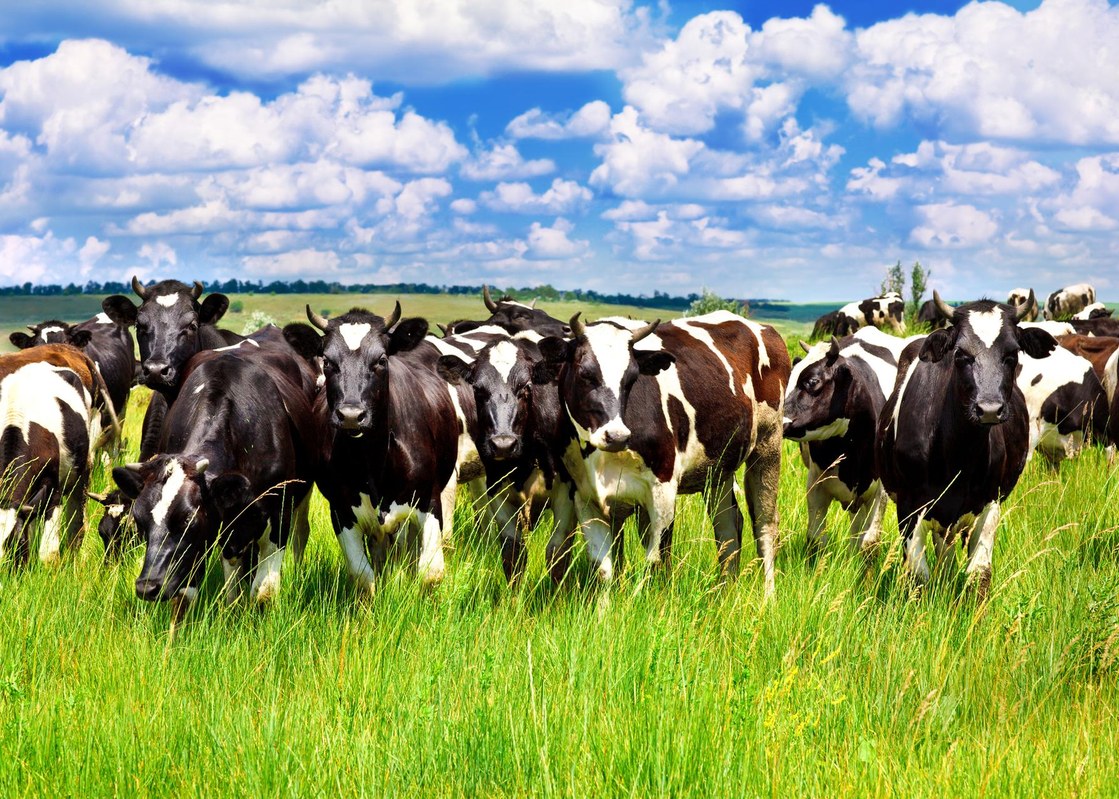
Understanding Antibiotic Resistance in Livestock
Antibiotics help cattle and turkeys recover from bacterial infections, and many producers have seen how well they can work. Bacteria are adaptable, though, and over time some learn to survive medicines that once stopped them. That change is called antibiotic resistance, and it affects how well treatment works. Veterinary guidance and everyday farm management both help keep antibiotics useful, and so does preventative care. Knowing how the pieces fit together makes it easier to protect the health of your animals.
How Antibiotic Resistance Develops in Livestock
Bacteria are living things, and like all living things, they change. When a group of bacteria meets an antibiotic, most of them die off. A few survive because of small natural differences, and those survivors multiply and pass along their toughness.
The animal itself does not become resistant. A healthy steer or turkey is still the same animal, and it is the bacteria in and around it that adapt.
Resistant bacteria move through direct contact, and shared pens or barns give them a boost. Equipment that has not been cleaned between groups can carry them too. Some infections become harder to treat as a result, but that does not mean every antibiotic stops working against every infection. Many treatments still do their job when they are chosen well.
Common Factors That Contribute to Antibiotic Resistance
Resistance rarely comes from one big mistake. It usually builds through ordinary situations that are easy to overlook.
Antibiotic Use Without Veterinary Guidance
Each antibiotic works against certain kinds of bacteria, which is why a veterinarian looks at the animal before choosing one. A poor match exposes bacteria to the medicine without helping the animal get better.
Incomplete or Improper Treatment
Treatment directions exist for a reason. When a dose is off, or treatment stops early, the weakest bacteria may be cleared while tougher ones stay behind and multiply.
Farm Hygiene and Disease Prevention
Crowded housing and weak sanitation give infections room to spread, and gaps in biosecurity make it easier still. Fewer infections mean fewer animals needing antibiotics in the first place.
How Antibiotic Resistance Affects Livestock Health
An infection that is hard to treat takes longer to clear, so an animal may feel unwell for more days and take extra time to bounce back. That affects comfort and welfare, which matter to anyone who wants the best for a herd or flock.
When a treatment does not work as expected, a veterinarian takes a second look and can often adjust the plan. Resistant bacteria can also spread within a group and sometimes reach people through food handling or shared spaces. Keeping antibiotics effective protects animals and people alike.
Responsible Antibiotic Use in Livestock Management
Responsible use comes down to steady habits that fit into daily farm life. When a veterinarian confirms that treatment is needed, an antibiotic for turkeys or a medicine suited to cattle can be a valuable part of the plan.
Veterinary Guidance
A veterinarian diagnoses the illness and decides if an antibiotic is appropriate. The treatment that follows is matched to both the animal and the infection.
Treatment Instructions
Giving the prescribed medicine at the directed dose for the full length of treatment gives an animal the best chance at a good result. Anyone with questions about changing the plan can call the veterinarian first.
Health Records
Simple notes on each treatment, including the date and the animal's ID, help a veterinarian review past care and spot health concerns that keep coming back. Clear records also make the next conversation with a veterinarian more productive.
Everyday Farm Management for Infection Prevention
Clean housing and good airflow keep animals comfortable. Proper sanitation keeps the surroundings in good shape, and biosecurity practices limit how easily disease enters a farm.
Balanced nutrition and clean water support overall welfare, while regular health checks help producers catch changes early. Moving a sick animal away from the group, when it makes sense, lowers the chance that illness spreads. Habits like these can reduce the need for antibiotics, and they work alongside veterinary treatment when it is needed.
Long-Term Livestock Health and Antibiotic Stewardship
Responsible antibiotic use keeps treatments working for the animals that need them. Veterinary guidance and good records go hand in hand with preventative care, and many producers see stewardship as one piece of a bigger approach to animal health. Protecting antibiotics today helps keep herds and flocks healthy and farms sustainable for years ahead.
To learn more about supporting your animals' health, connect with our team today.
Frequently Asked Questions
What is antibiotic resistance in livestock?
It means certain bacteria no longer respond to an antibiotic the way they used to. Resistance describes the bacteria, not the animal, and it does not point to poor care on a farm.
Can antibiotic resistance spread between animals?
Yes, and it often happens in ways people do not expect. Visitors' boots and clothing can carry bacteria between areas, and so can vehicles. Newly purchased animals may bring bacteria from their previous home, and wild birds or rodents sometimes do the same around barns. Because of this, many farms set up simple routines for visitors and new arrivals.
Does antibiotic resistance mean antibiotics no longer work?
No. Resistance to one antibiotic does not automatically mean resistance to others. Antibiotics come in different families, and each family works in its own way, so a veterinarian often has other options to consider. In many cases, a change in medicine is all that is needed to get treatment back on track.
How can livestock owners help reduce antibiotic resistance?
Small habits add up. Many producers keep up with routine veterinary visits so the veterinarian knows the herd or flock well. Others make sure everyone who helps on the farm follows the same routines, since consistent care leads to consistent results. Vaccines recommended by a veterinarian can also help prevent certain illnesses before they start. Asking why a treatment was chosen is another easy way to stay involved.
Should antibiotics be used whenever livestock become sick?
Not always. Many illnesses are caused by viruses, and antibiotics do not work against those. Poor nutrition and stress can cause health problems too. A veterinarian can sort out the cause and decide if an antibiotic is the right choice. When bacteria are behind the illness, an antibiotic can be a helpful and appropriate step.