


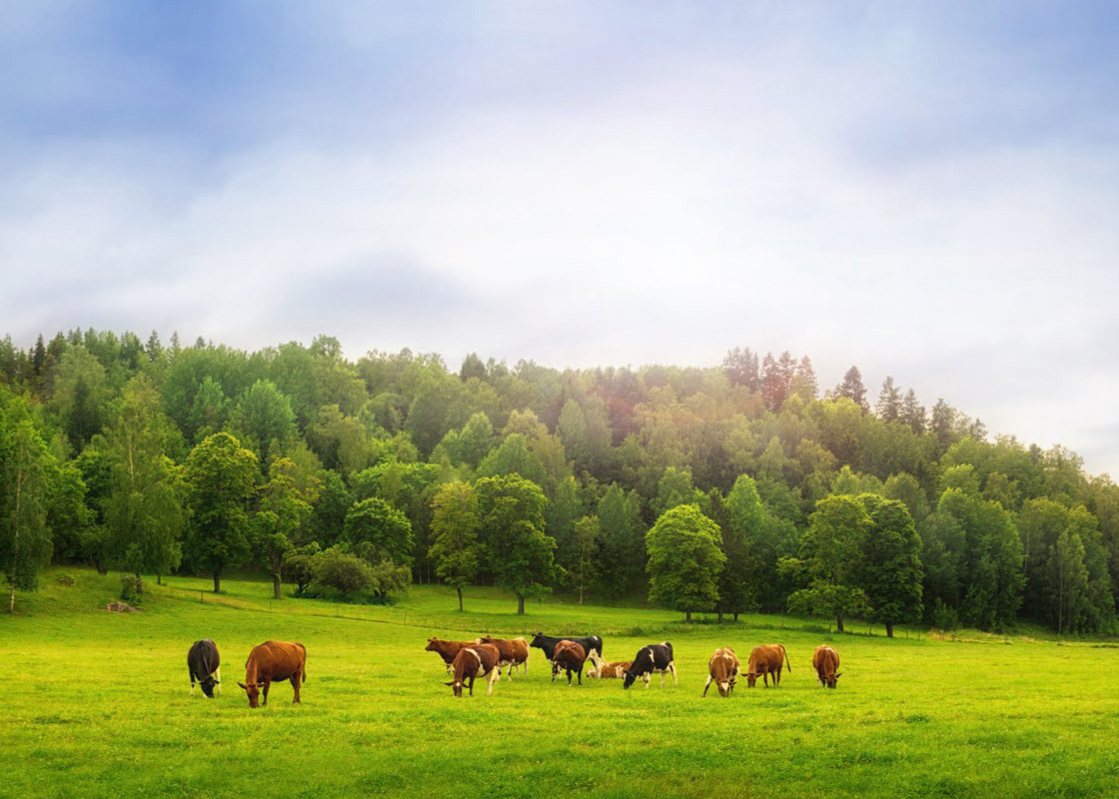
The Nutrition Playbook Behind Stronger, Faster-Growing Herds
Strong herd performance depends in part on proper nutrition. Genetics, housing, management, and veterinary care all matter, but nutrition also plays an important role in an animal’s development and overall performance.
A well-designed nutrition program does more than help animals gain weight; it helps cattle make efficient use of feed while maintaining the energy needed for daily activity and health.
This article will discuss the basic nutritional essentials of herds to inform feeding decisions at every stage of production.
Match Nutrients to Each Stage of Growth
Young cattle have different nutritional needs than mature animals. Calves need diets that support rapid development, while growing cattle need enough energy and protein to build muscle and frame. Mature cattle have different requirements depending on whether they are being maintained or producing milk.
Age is only one factor. Body size, breed, production goals, environmental conditions, and health status can all influence nutritional requirements. Grouping cattle by nutritional needs can make feeding programs more effective. It also helps producers avoid giving every animal more nutrients than necessary.
Balance Energy and Protein Carefully
Energy and protein are two of the most important components of a cattle ration. Energy supports basic body functions, movement, growth, reproduction, and production. Protein provides amino acids that support the body's tissues and normal functions.
An imbalance between these two can affect performance. Too little energy may slow growth and reduce body condition, while inadequate protein can limit how effectively animals use available energy and other nutrients. But more is not always better. Excessive nutrients can increase feed costs without producing a matching improvement in performance. Working with a nutritionist or veterinarian can help producers establish a ration that fits the herd's actual needs.
Keep Fiber and Rumen Health in Balance
Cattle depend on a healthy rumen to turn feed into usable nutrients. Fiber plays a central role in maintaining normal rumen function and supporting proper digestion. Mature or poorly stored forage may provide less nutritional value than expected. Testing hay and other feeds can help producers understand what their cattle are actually receiving.
New feeds should generally be introduced gradually to give the digestive system time to adjust.
Provide Clean Water Without Compromise
Water is one of the most important nutrients in a livestock operation, yet it can be easy to overlook. Cattle need reliable access to clean water for digestion, temperature regulation, metabolism, and other essential processes.
Water requirements can rise during hot weather and periods of increased feed intake. If water quality is poor or access is limited, animals may reduce their intake, which can affect overall performance. Producers should therefore include water sources when reviewing the herd's overall nutrition program.
Adjust Feeding for Weather and Stress
Environmental conditions can change nutritional requirements. Heat can reduce feed intake while increasing the need for water and effective cooling, while cold weather can increase the energy cattle need to maintain body temperature. Stress can also affect how animals eat and use nutrients. Transportation, handling, overcrowding, changes in housing, and disease can all influence intake and performance.
A flexible nutrition plan allows producers to respond to these conditions. Monitoring the herd regularly can reveal changes that indicate when nutritional adjustments may be needed.
Connect Nutrition With Herd Health
Nutrition and herd health are closely connected. Animals that receive balanced diets and consistent care are better positioned to maintain normal growth and immune function.
However, good nutrition does not eliminate the risk of disease. Illness can reduce appetite and change how an animal uses nutrients. Respiratory disease, digestive problems, infections, and other health challenges can quickly affect performance. In some cases, veterinary treatment and the use of ampicillin trihydrate may be necessary to restore health and support recovery.
Monitor Results and Fine-Tune the Ration
A nutrition program should never be treated as permanent. Producers should regularly evaluate whether the ration is producing the expected results. Weight gain, body condition, feed intake, reproductive performance, and overall herd behavior can provide useful clues. Feed costs should also be tracked because a ration that produces good growth at a high cost may not be economically efficient.
Feed testing can provide more precise information about forage and other ingredients. With regular monitoring, it's easier to identify problems early. If cattle suddenly gain less weight or show changes in body condition, the ration and management practices may need to be reviewed.
Final Thoughts
An effective nutrition program should account for changing herd needs rather than remain fixed over time. Regularly reviewing feed quality and production needs gives producers useful information for deciding when adjustments are appropriate.
If you need additional support to meet your herd's nutritional needs, reach out to us today.
Frequently Asked Questions
What nutrients are most important for growing cattle?
Energy, protein, fiber, minerals, vitamins, and water all have important roles in cattle nutrition. The correct balance depends on the animal’s age, size, stage of production, and environmental conditions.
How does water affect cattle growth?
Water supports digestion, metabolism, temperature regulation, and many other body functions.
Can changing feed too quickly hurt cattle?
Yes. Sudden changes can disrupt normal rumen function and may contribute to digestive problems. Feed changes should generally be introduced gradually so cattle have time to adapt.
When should a producer review a cattle nutrition program?
A nutrition program should be reviewed whenever herd performance changes or production goals shift. Changes in feed ingredients, forage quality, weather, animal age, body condition, or health can also justify a review.
How does weather influence cattle nutrition?
Heat increases water needs and can lower feed intake, while cold weather raises energy demands. Adjusting rations helps cattle maintain condition year round.
Is veterinary input necessary for nutrition planning?
Absolutely, veterinarians can identify health issues that affect nutrient use and recommend treatments or adjustments, ensuring nutrition and herd health stay aligned.