

Understanding the Journey of Sustainable Livestock Farming
As consumers become more conscious of their environmental footprint and animal welfare, farmers worldwide are reimagining traditional practices to create systems that benefit animals, people, and the planet. Sustainable livestock farming represents a fundamental shift in how we approach animal agriculture—one that balances environmental stewardship, economic viability, and social responsibility.
Environmental Benefits
Traditional intensive farming operations contribute significantly to greenhouse gas emissions, water pollution, and habitat destruction. Sustainable practices offer tangible solutions. Rotational grazing allows pastures to recover between grazing periods, improving soil carbon sequestration and reducing erosion. This method mimics natural patterns where herbivores historically moved across landscapes, resulting in land that becomes healthier and more productive over time.
Water management also takes center stage. By implementing strategies like constructed wetlands, riparian buffers, and improved manure management systems, farms can dramatically reduce nutrient runoff that would otherwise contaminate local waterways.
Animal Welfare as a Priority
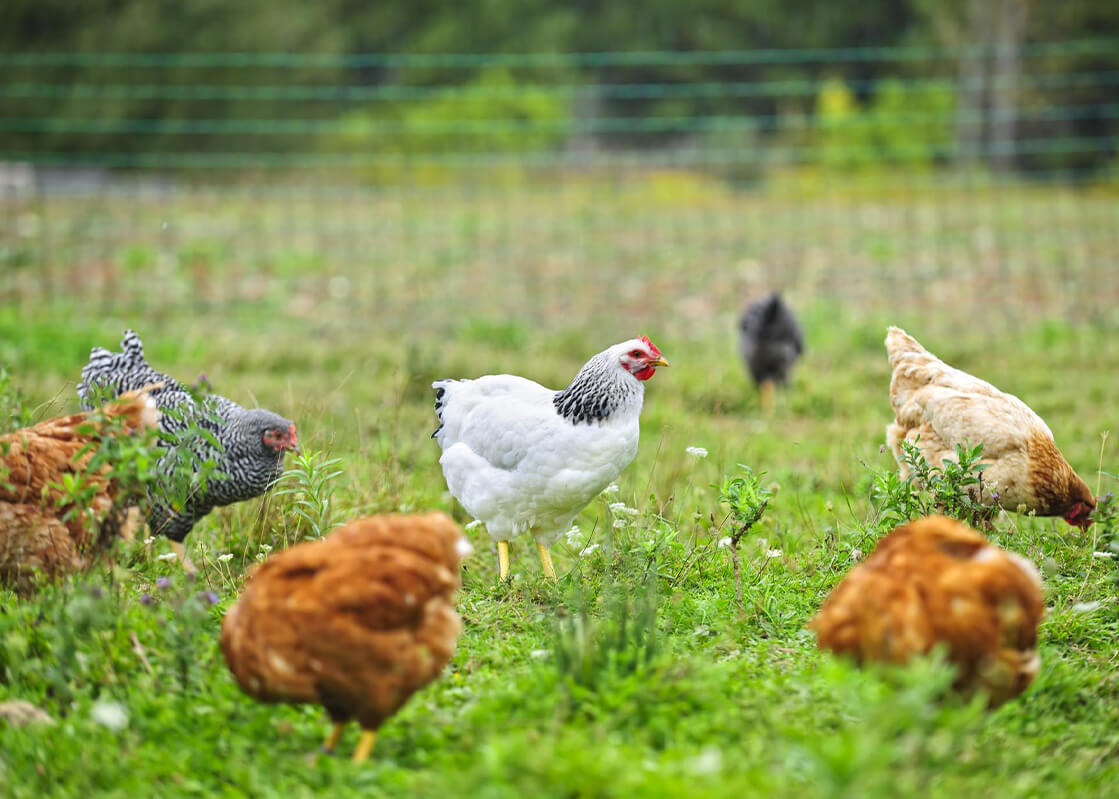
True sustainability cannot exist without genuine animal welfare. Sustainable operations provide animals with living conditions that allow them to express natural behaviors—cattle graze on open pastures, chickens scratch in the dirt, and turkeys roam freely rather than being confined to cramped industrial barns.
This approach recognizes that animal welfare and farm productivity are complementary goals. Stress-free animals with adequate space, proper nutrition, and social interaction tend to be healthier, require fewer medical interventions, and produce better quality products.
Responsible Antibiotic Use
One of the most critical aspects involves the judicious use of antibiotics. For example, in poultry operations, finding the right antibiotic for turkeys or chickens means working closely with veterinarians to identify the specific pathogen causing illness and selecting the most targeted treatment. Sustainable farms prioritize disease prevention through optimal nutrition, reduced stress, proper ventilation, and appropriate stocking densities. By creating environments where animals can thrive, the need for antibiotic intervention decreases naturally.
When illness does occur, sustainable operations follow strict protocols. Antibiotics are used only when necessary to treat diagnosed bacterial infections, never as growth promoters or routine preventive measures. For different species, this means working closely with veterinarians to identify specific pathogens and select the most targeted treatment. This precision medicine approach reduces unnecessary antibiotic use while effectively treating sick animals and preserving antibiotic effectiveness for future generations.
Economic and Community Impact
Consumer demand for sustainably raised products continues to grow, creating premium market opportunities. Direct-to-consumer sales, farmers' markets, and partnerships with restaurants provide revenue streams that often exceed commodity prices. Many farmers diversify their operations by raising multiple livestock types or adding value-added products, providing financial buffers against market fluctuations.
Beyond economics, sustainable livestock farming benefits entire communities by providing fair wages, safe working conditions, and meaningful rural employment. By selling locally or regionally, these farms keep food dollars circulating within their communities and contribute to food security.
Moving Forward
The journey toward sustainable livestock farming requires commitment from multiple stakeholders. Farmers need access to technical assistance, fair markets, and supportive policies. Consumers can drive change through purchasing decisions and advocacy. Despite obstacles, momentum is building as more farmers discover that sustainable practices can enhance rather than diminish their quality of life and profitability.
Ready to work with a partner who understands sustainable agriculture? Visit our website to explore their full range of animal health products and discover how their expertise can support your journey toward more sustainable, profitable livestock farming.
Frequently Asked Questions
Is sustainably raised meat more expensive?
Sustainable meat often costs more due to higher production costs from practices like pasture access, lower stocking densities, and quality feed. However, many consumers find the price difference worthwhile for superior taste, animal welfare, and environmental benefits.
How can I find sustainably raised livestock products?
Look for certifications like Animal Welfare Approved, Certified Humane, or organic labels. Visit farmers’ markets, join CSA programs, or contact local farms directly to learn about their practices.
Can sustainable livestock farming feed the growing population?
While sustainable farming may produce less per acre than intensive operations, it offers long-term viability by maintaining soil health and ecosystem function. A combination of sustainable farming and reduced food waste can help meet global food needs.
Do sustainable farms use any chemicals or medications?
Sustainable farms minimize synthetic inputs but may use some medications when necessary for animal welfare. The key difference is judicious, targeted use rather than routine preventive administration.
How long does it take to transition a farm to sustainable practices?
Transition timelines vary based on starting conditions and goals, typically ranging from three to five years for full conversion. Many farmers implement changes gradually while learning and adapting their systems.
What's the difference between organic and sustainable livestock farming?
Organic certification requires following specific standards, while sustainable farming is a broader philosophy that may or may not include organic certification. Many sustainable farms exceed organic standards in certain areas while taking different approaches in others.
Why is rotational grazing better than continuous grazing?
Rotational grazing allows pastures to rest and regrow between grazing periods, which improves soil health, increases carbon sequestration, and prevents overgrazing. This mimics natural grazing patterns and leads to more productive, resilient pastures that require less external inputs over time.
Does sustainable farming mean animals never receive antibiotics?
No. Sustainable farming means antibiotics are used responsibly—only when medically necessary to treat diagnosed infections, not for growth promotion or routine prevention. The focus is on creating healthy environments that reduce disease occurrence while maintaining animal welfare when treatment is needed.
Are sustainable livestock farms profitable for small-scale farmers?
Yes, many small-scale farmers find sustainable practices economically viable through premium pricing, direct-to-consumer sales, and diversified income streams. While initial transition costs exist, reduced input costs and access to specialty markets often result in better profit margins compared to competing in commodity markets.
How does sustainable livestock farming help with climate change?
Sustainable practices like rotational grazing sequester carbon in the soil, reduce methane emissions through improved animal health and digestion, and minimize fossil fuel use by relying on pasture-based systems rather than grain production and transportation. Well-managed grazing lands can actually become carbon sinks, helping offset agricultural emissions.