

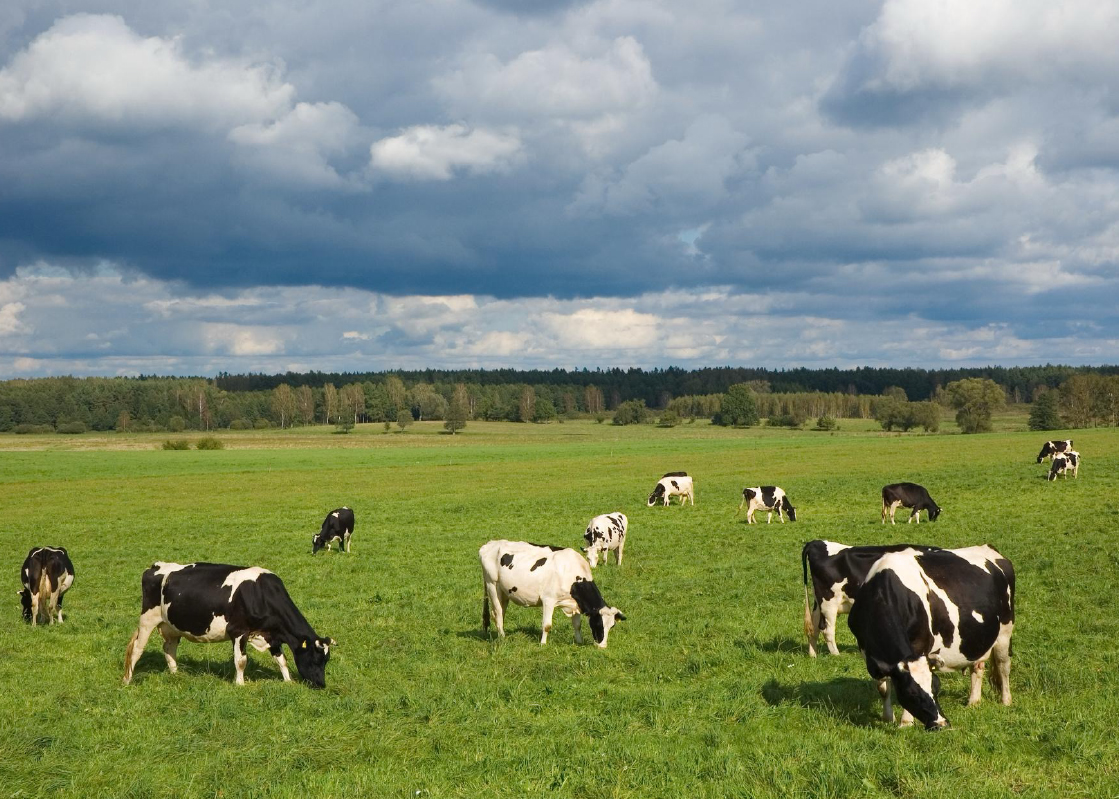
What a Consistent Daily Care Routine Does for Herd Health
Healthy herds don’t happen by chance. They are the result of consistent, attentive care that builds resilience, prevents disease, and supports productivity. For livestock owners and managers, daily routines are more than chores—they are the foundation of herd health and long-term success.
In this article, we’ll explore how structured daily practices improve animal well-being, reduce risks, and strengthen overall herd performance.
Monitoring Herd Health Every Day
Daily observation is one of the most powerful tools in herd management. By watching animals closely, caretakers can spot early signs of illness, stress, or injury.
Short, consistent checks help identify changes in appetite, behavior, or mobility. These small details often reveal problems before they escalate. Early detection means faster intervention, which reduces the need for costly treatments and prevents disease from spreading across the herd.
Routine monitoring also builds familiarity. When caretakers know what “normal” looks like, they can quickly recognize when something is wrong.
Ensuring Feeding Consistency and Nutritional Balance
Nutrition is central to herd health. A consistent feeding schedule ensures animals receive the right nutrients at the right times. Sudden changes in diet or feeding patterns can disrupt digestion, lower immunity, and reduce productivity.
Balanced rations tailored to species and age groups help maintain growth, reproduction, and milk or meat yield. Daily routines around feeding also reduce competition and stress among animals, as they learn to expect food at regular intervals.
Consistency in nutrition is not just about quantity—it’s about quality. Clean water, fresh feed, and proper storage all contribute to healthier herds.
Maintaining Hygiene and Clean Living Conditions
Clean environments protect animals from disease. Daily routines that include cleaning pens, refreshing bedding, and sanitizing equipment reduce exposure to harmful bacteria and parasites.
Manure management is especially important. Removing waste regularly prevents contamination of feed and water sources and improves air quality.
Hygiene routines benefit not only the animals but also the caretakers, reducing the risk of zoonotic diseases and creating safer working conditions.
Reducing Stress Through Routine
Animals thrive on predictability. A consistent daily schedule reduces stress by creating a stable environment. Stress weakens immunity, slows growth, and lowers reproductive success.
Simple routines—feeding at the same time, handling animals gently, and minimizing sudden changes—help keep herds calm. Calm animals are healthier, more productive, and easier to manage.
Routine also strengthens the bond between caretakers and animals, building trust that makes handling safer and smoother.
Applying Preventive Health Measures
Daily care routines are the backbone of preventive health. Vaccinations, parasite control, and biosecurity measures are most effective when integrated into consistent schedules.
Regular cleaning of equipment, monitoring of water sources, and controlled access to facilities all reduce the risk of disease introduction.
Preventive routines save time and money in the long run. They reduce reliance on emergency treatments and improve herd longevity.
Utilizing Veterinary Support as Part of Daily Care
Consistent routines make it easier to integrate veterinary guidance into herd management. When animals are observed daily, caretakers can quickly share accurate information with veterinarians, leading to more effective treatment plans.
For poultry producers, this partnership is especially valuable. Healthy flocks thrive when preventive care is combined with timely veterinary solutions. For example, when turkeys show signs of illness, having access to a reliable antibiotic for turkeys ensures that treatment is effective and recovery is swift. Used responsibly, these solutions protect flock health and maintain productivity.
By combining daily routines with professional guidance, caretakers create stronger, healthier herds that can withstand challenges and continue to grow.
Building Long-Term Herd Resilience
Resilient herds can withstand challenges such as weather changes, disease outbreaks, or market fluctuations. Daily care routines strengthen this resilience by maintaining baseline health and stability.
Healthy animals recover faster from stressors and adapt better to new conditions. Over time, consistent care creates herds that are not only productive but also sustainable.
This resilience benefits the entire operation, ensuring long-term success and reducing risks.
Leveraging the Power of Daily Care Routines
A consistent daily care routine is more than a checklist—it is the foundation of herd health. By focusing on monitoring, nutrition, hygiene, stress reduction, preventive measures, and productivity, caretakers build stronger, healthier, and more resilient herds.
Healthy herds mean healthier businesses. To learn more about the latest solutions for livestock well-being, contact our team today.
Frequently Asked Questions
Why is daily monitoring important for herd health?
Daily monitoring helps detect early signs of illness, stress, or injury before they become serious problems. Quick intervention prevents disease from spreading across the herd, reduces treatment costs, and keeps productivity levels steady. Over time, this routine builds familiarity with the animals, making it easier to notice subtle changes and respond effectively.
How does feeding consistency affect livestock?
Consistent feeding schedules improve digestion and reduce stress, creating a calmer environment for the herd. Animals thrive when they know when and what to expect, which minimizes competition and supports steady growth. Balanced nutrition also strengthens immunity, reproduction, and overall productivity across all species.
What role does hygiene play in herd health?
Clean environments reduce exposure to harmful bacteria, parasites, and viruses that can quickly spread through a herd. Daily cleaning of pens, bedding, and equipment prevents contamination of feed and water sources, while proper manure management improves air quality. Good hygiene practices protect both animals and caretakers, ensuring safer and healthier conditions for everyone.
How does routine reduce stress in animals?
Predictable schedules create stability, which is essential for reducing stress and keeping animals calm. When feeding, handling, and care happen at regular times, animals build trust and respond more positively to management. Reduced stress strengthens immunity, improves productivity, and makes herd handling safer and more efficient.
What are the benefits of preventive health routines?
Preventive routines reduce reliance on emergency treatments and keep herds healthier in the long run. Vaccinations, parasite control, and biosecurity measures are most effective when applied consistently, stopping problems before they start. This approach saves time and money while improving herd longevity, resilience, and productivity.